Throughout Ethiopian history, many women made remarkable contributions to society, even though their names were not always recorded or prominently recognized. Their work—whether during the early formation of the Ethiopian Church or in later periods—has been vital, and its impact is evident both nationally and globally.
However, despite their significant roles in political, social, economic, and cultural life, women have historically received far less attention than men. Their contributions to family development and nation-building—both in Ethiopia and around the world—have often been overlooked. When the achievements of our heroic fathers are remembered, the strength and sacrifices of the heroic women who stood beside them should rise with equal honor.
Yet, even today, women continue to face cultural, social, economic, and political discrimination—even in societies that claim to champion civilization and democracy. Studies show that women are especially vulnerable in regions like Africa, where conflict, famine, and instability are common. Economic dependence further increases women’s exposure to gender-based violence and social crises, even in developed countries.
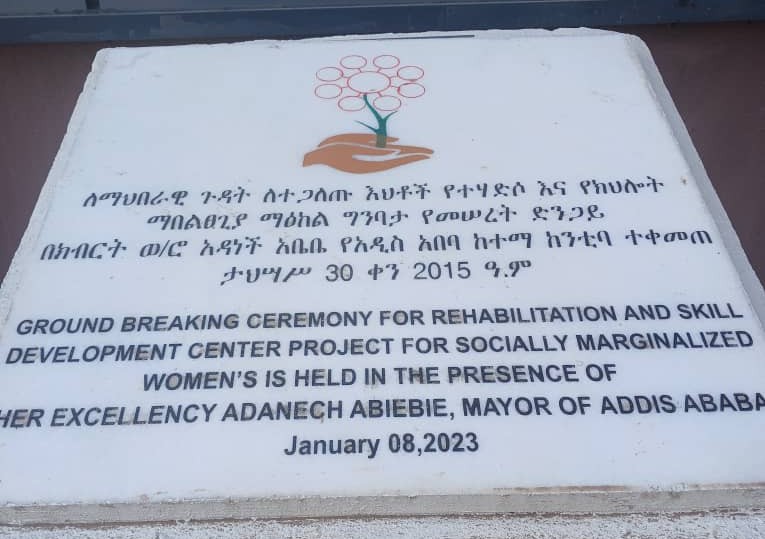
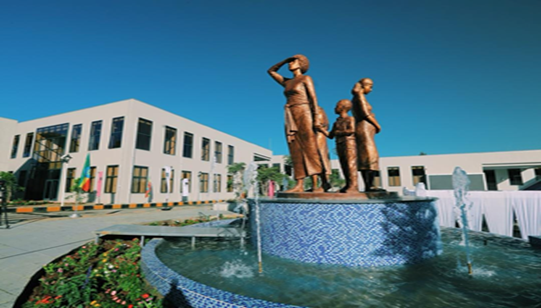
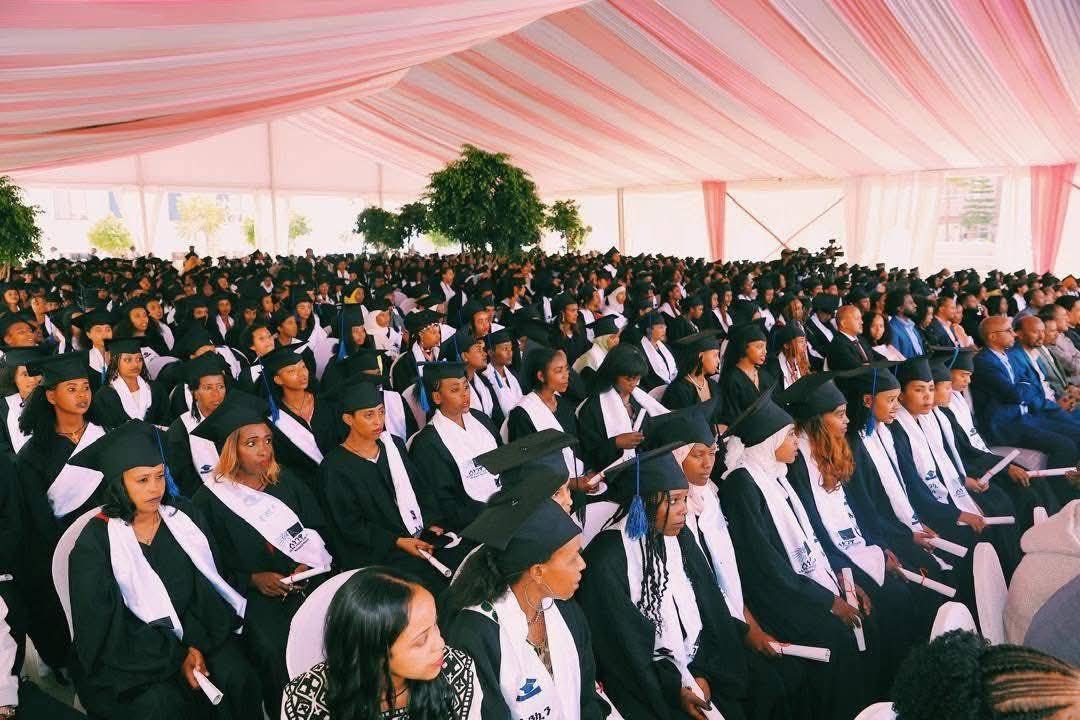
It is this reality that creates the need for institutions like the Lenegewa Women’s Rehabilitation and Skills Development Center, which is dedicated to supporting women, restoring their dignity, and empowering them to build independent and secure their lives.